
Introduction
Missing someone who is still alive but no longer in your life is a real, recognized kind of grief called ambiguous loss grief without a death and without closure. This poem about missing someone , “The Space You Left,” sits inside that feeling: the ordinary moments (a kettle, an open window) that still ache long after someone has simply stopped choosing to stay.
Thank you for reading this post, don't forget to subscribe!Sometimes, missing someone is not about distance.
They are still alive. Still somewhere in this world. You could probably reach them if you wanted to.
But they are no longer here with you.
And that’s a strange kind of loss.
There is no goodbye big enough for it. No ending that tells you when you are supposed to stop expecting them. Life simply keeps moving while some small part of you remains caught in the space they left behind.
This is a poem about that kind of missing.
Table of Contents
The Poem
The Space You Left
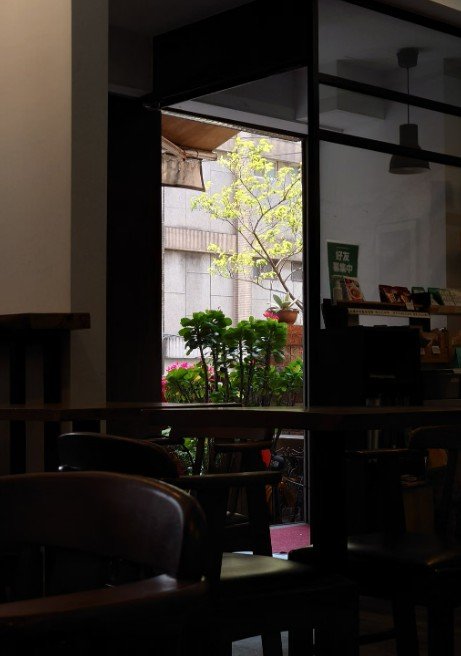
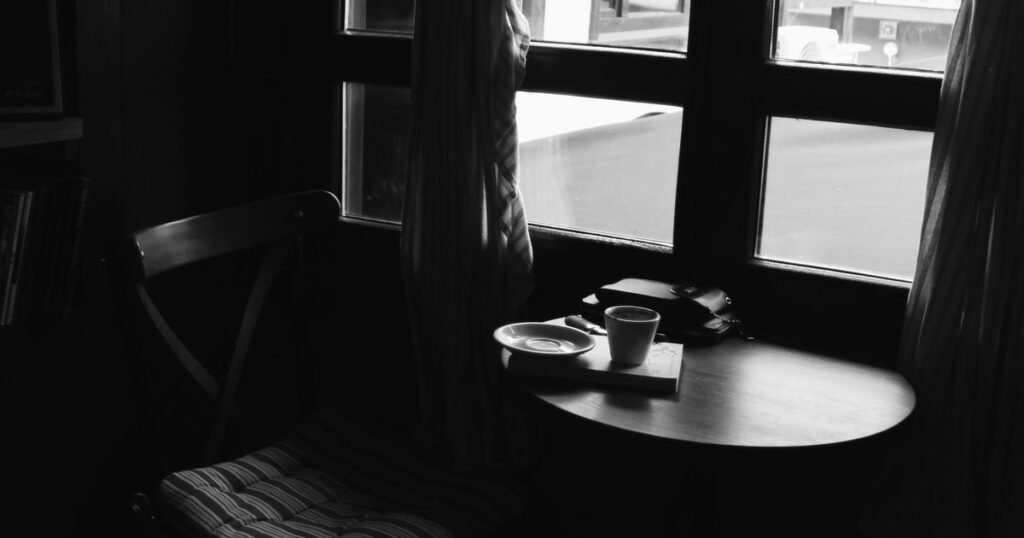
I keep the window open like you might climb back through it,
though you left by the door, quietly,
like a sentence that forgot its own ending.
The kettle still knows two cups.
My hands haven’t told it otherwise.
I am not missing a person,
exactly, I am missing a version of a Tuesday,
a way the light used to fall across a room that was only ever ordinary because you were in it.
Grief, they say, is for the dead.
But no one warned me that longing wears the same coat for the living who simply stopped choosing to stay.
I do not call. I don’t write.
I just leave the window open, a small, stubborn superstition proof that some part of me still believes absence is a kind of weather, and weather, eventually, turns.
The Story Behind the Poem
I wrote this after realizing that there are some people you do not exactly lose. They just stop being part of your life. They are still out there. Still breathing. Still having ordinary days that you know nothing about. And you are left with yours. For me, the hardest part was how ordinary everything became after someone wasn’t there anymore. The kettle still boiled. The window still let the evening air in. Tuesday still arrived. But the smallest things had changed because they were no longer shared.
That’s the part of missing someone I wanted to write about. Not the dramatic kind of heartbreak. The quiet kind. The kind where you reach for an old habit before remembering there’s no one on the other end of it anymore. I think that’s why the line about the two cups stayed with me. My hands had not caught up with what my heart already knew. Sometimes the body remembers a person longer than the mind does.
And sometimes you do not stop missing someone because you stopped loving them. You stop waiting. There’s a difference. I had to learn that I can miss someone without opening the door for them again. I can remember them without returning to them. I can leave the window open for a while and still, eventually, close it.
Why This Kind of Missing Has a Name
If this feeling does not fit the grief you have read about before, that’s because it isn’t the usual kind. Therapist Pauline Boss coined a term for it back in the 1970s: ambiguous loss. It describes grief that has no clear ending — no funeral, no finality, just a person who is physically gone but still, in some way, present in your mind. According to the University of Rochester Medical Center’s behavioral health program, this kind of loss can bring lasting confusion because the mind keeps trying to make sense of something that does not resolve the way other losses do (source: URMC Behavioral Health Partners).
Knowing it has a name doesn’t make the missing stop. But it can make it feel less like something is wrong with you for still feeling it.
FAQ
- What is this poem about?
- The Space You Left is a poem about missing someone who is still alive but no longer part of your life. It’s about the quiet grief that comes when someone chooses to leave, and you are left learning how to live around their absence.
- Is missing someone who is still alive a form of grief?
- Yes. Psychologists call it ambiguous loss grief without a death and without a clear ending. You can grieve a relationship, a friendship, a shared routine, or the version of your life that existed when someone was still in it.
- Why does the poem mention a kettle and two cups?
- Because missing someone usually shows up in ordinary moments, not big ones. It’s making tea and automatically thinking of another person. It’s looking at an empty chair. The small things are often where the absence becomes real.
- How do I stop missing someone who isn’t coming back?
- You probably can’t force yourself to stop missing someone. What you can do is stop building your life around their return. Let the routines change. Feel what you feel without using it as a reason to go back. Over time, the empty space tends to feel smaller even if it never fully disappears.
If You Miss Someone, You are Not Alone
If this poem found you at a time when you are carrying an absence you do not know how to explain, maybe you do not need to explain it yet. Maybe you just needed somewhere to put the feeling.
If you have ever had words you could not say, you can read Left Unsaid.
And if you have still waiting for someone who never quite chose you, read Unheard Waiting.
Both are part of the same collection of feelings I keep trying to put into words.
If The Space You Left stayed with you, save it, share it with someone who might understand, or leave a thought below about the person or moment you still miss.
Sometimes writing the feeling down is the first time we stop carrying it completely alone.