
Introduction
I did not get closure. I got a quiet moment, alone. Where I understood that what I had been holding was never actually there. This poem about love came out of that moment, the space between believing in something with my whole chest. And finding out it was only ever an illusion I would built myself.
Thank you for reading this post, don't forget to subscribe!It’s short. But it holds the whole emotion of: the giving, the ending, the realizing, and the lesson that arrived long after there was anything left to save.
Table of Contents
The Poem
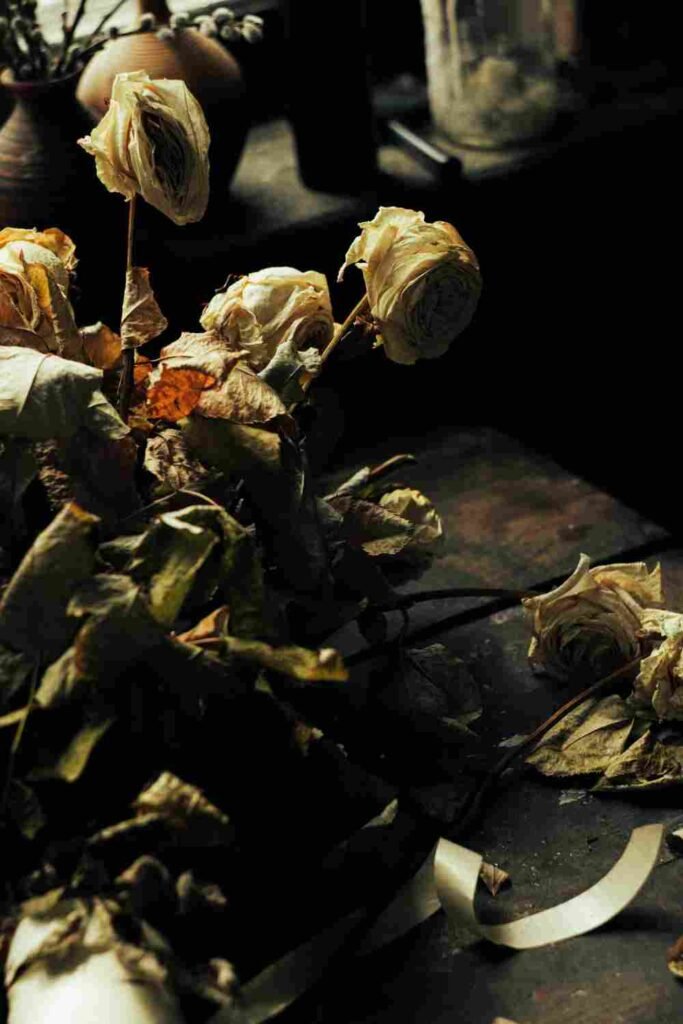
The Lesson of Love Illusion
It started but it ended,
I gave my best,
left nothing defended.
He played with his mind,
while I gave my heart,
The love I thought was mine,
was just destiny’s art.
A dust of a dream,
in the rust of fate,
A lesson learned,
but it came too late.
The Story Behind This Poem
I gave everything. He was never fully in it. That’s the whole story, really. I just did not see it while I was living it.
“Left nothing defended” is the line that says the most about who I was in that moment. I stopped protecting myself on purpose. I decided he would do it. “He played with his mind, while I gave my heart” is the part that still stings a little to read back. It was not two people falling apart together. It was me, feeling everything, and him, barely there at all.
I used to think that made me foolish. It did not. Wanting to believe in the version of someone you love. The one who deserves what you are giving, is not naivety. It’s just what love does to attention. It softens the parts of a person you would otherwise question.
“A dust of a dream, in the rust of fate” is where I stopped grieving it and started accepting it. Dust and rust are both what’s left after something whole gets worn down slowly, without you noticing it happening. The lesson did not arrive loudly. It came in quiet, after everything was already gone.
I used to think this was just me. Something wrong with how I love, how I trust too fast. It was not until I read about it. Later I found out relationship psychologists actually have a name for what I went through: idealization, falling for the fantasy version of someone instead of who they actually are. Knowing that did not undo anything. But it helped to know what I had lived through a name, and that I was not the only one who mistook a promise for a person.
3 Painful Truths This Poem About Love Reveals
1. Giving your best doesn’t mean it’s met the same way.
“I gave my best, left nothing defended.” I was fully in it. That does not make love mutual if the other person never matched it.
2. The clarity always comes after the damage, not before.
“A lesson learned, but it came too late” is the most honest line I wrote here. It did not warn me in time. It only explained things once they were already over.
3. Some endings are easier to hold as fate than as betrayal.
Calling it “destiny’s art” was not me letting him off the hook. It was me finding a way to carry the pain without carrying the blame too. That’s usually the only way I have managed to actually move on.
FAQ
- What is “The Lesson of Love Illusion” about?
- Realizing that something I believed was mutual was actually one-sided, and the clarity that only came once it was already over.
- What does “left nothing defended” mean in the poem?
- Giving up my own emotional guard on purpose, choosing to stay fully open with someone without holding anything back for myself.
- Why does the poem say “destiny’s art” instead of blaming the other person?
- Because blame kept me stuck. Calling it fate let me accept the ending without needing someone to be the villain.
- Is this poem based on a real experience?
- Yes. Like everything on L.E.T. (Liberate Every Thought), this came from something I actually lived through, not something imagined.
- What’s the main lesson in this poem about love?
- That giving love fully and having it met equally aren’t the same thing, and noticing that, even late, still counts as growing.
If this one sat with you, fate and heartbreak keep showing up in what I write.
You might feel Love and Fate: Will You? next, which asks that same question of whether love was ever really a choice, or Left Unsaid: A Poem on Heartbreak, for the quiet that comes after.