
Introduction
Some days, I can not find the words to tell someone how tired I am. Not the kind of tired that sleep fixes. It’s the kind that sits in your chest. It’s made of everything you have carried and never put down.
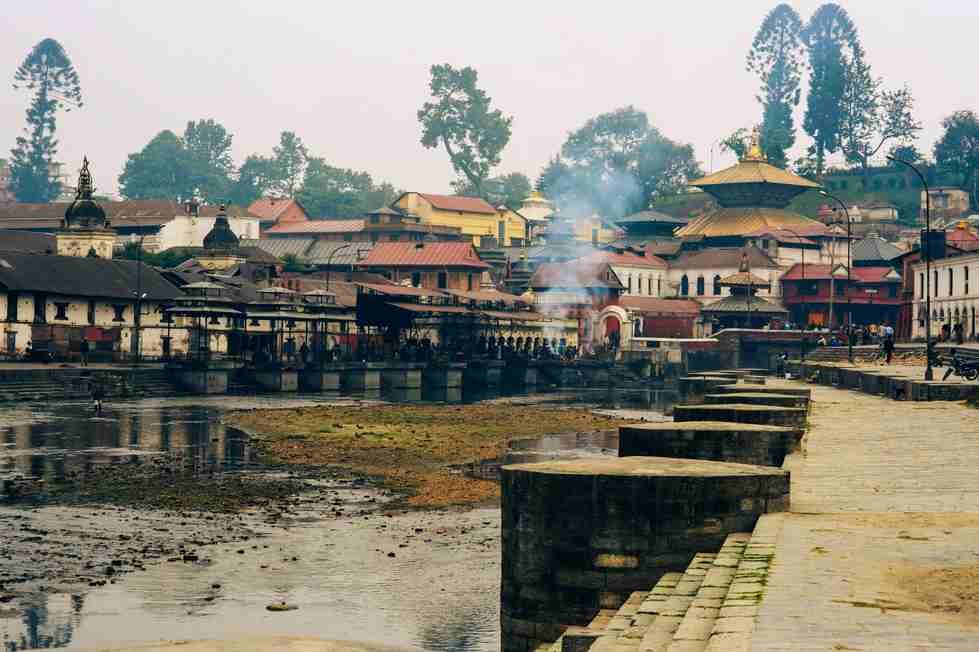
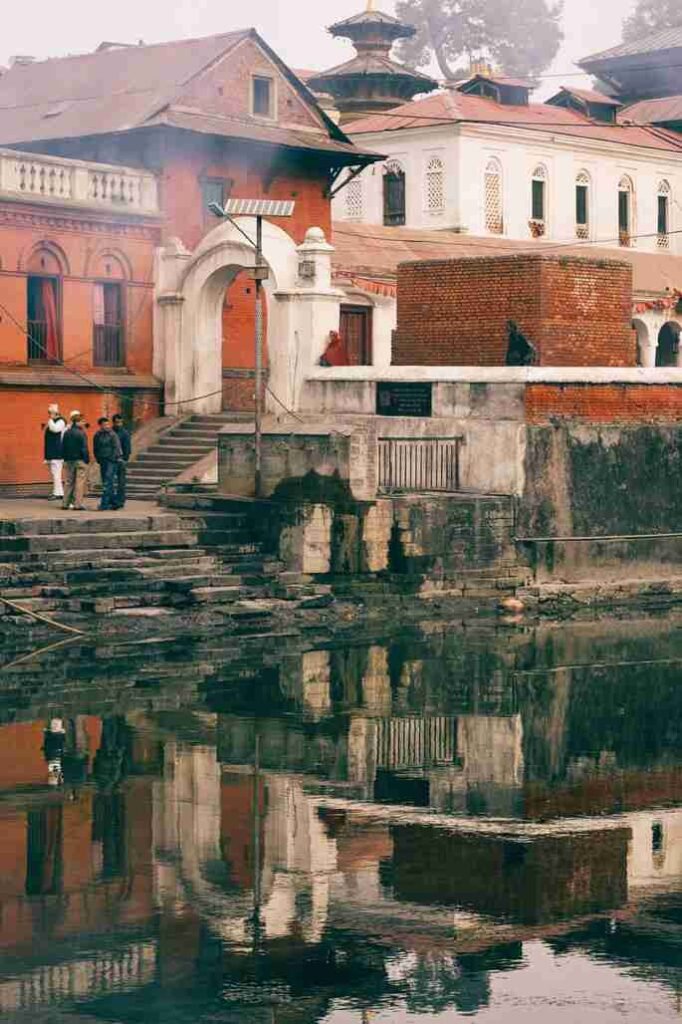
Thank you for reading this post, don't forget to subscribe!On one of those days, I thought about the Bagmati River. It flows through this whole city. It moves through people’s lives every day. It carries whatever falls into it. It never stops to ask how heavy that thing is. This river has meant a lot to people in the Kathmandu Valley for a long time. I wanted that same thing from it. Not an answer. Not advice. Just a place to let go.
This poem came from that feeling. I wrote it first in Nepali. That’s the language my tiredness speaks in. Then I turned it into English, so more people could read it too. You will find both versions below.
If you have ever felt too tired to explain yourself to someone else, this poem is for you.
A quick note before you read: I wrote this poem in Nepali first. Some feelings only come out fully in the language you feel them in. I’m not sure the English version carries all of that the same way. So I kept both versions here. Read whichever one speaks to you. Or read both.
Table of Contents
The Poem
Bagmati, Be My Shore
You flow on and on
brushing against sorrow, against joy,
carrying the tears and laughter
of all who pass you by.
Today, let my pain
drift into your current too.
Take the weight I carry,
this tiredness, this quiet fear,
these wounds I’ve kept hidden so long
let them dissolve into your waters,
let them become part of your flow.
Pain or happiness,
you hold them both the same,
and still you keep moving forward.
Teach me that
teach me to flow like you again,
Bagmati.
My anger,
my bitterness,
this heart worn thin and heavy
carry it all away.
And in its place,
leave me something quieter.
Leave me peace.
Because today,
I am so tired.
And there is no one left
who understands this heart of mine
no one but your shore.
बागमती, मेरो किनारा बन
तिमी बगिरहन्छौ,
दुःख र सुख छोएर,
मानिसका आँसु र हाँसो बोकेर
आज मेरा पीडाहरू पनि
तिमी सँगै बगाइदेऊ…
मेरो मनको भारी,
थकान, डर, र भित्र लुकेका घाउहरू
आफ्नो बहावमा मिसाइदेऊ….
पीडा होस् वा खुशी,
सबै बोकेर पनि
तिमी फेरि बगिरहन्छौ
मलाई पनि त्यस्तै
फेरि बग्न सिकाइदेऊ,
ए! बागमती…..
किनकि….
आज म धेरै थाकेकी छु
र तिम्रो किनाराबाहेक
मेरो मन बुझ्ने अरू कोही छैन।
ए! बागमती….
The Inspiration Behind This Poem
I did not plan to write this poem. It started as a feeling I could not put into a normal sentence. It was the kind of tired where you don’t want comfort. You just want somewhere to set something down.
I thought about the Bagmati River because it’s always moving. It doesn’t stop to judge what people bring to it. It carries joy and grief the same way. Neither one has to explain itself. I wanted to feel close to something like that, even just in words.
Writing it in Nepali first mattered to me. Some feelings do not translate cleanly. They need to be felt in the language you grew up thinking in, before they can be shared in another one. The English version isn’t meant to replace the original. It’s a bridge, so someone who doesn’t read Nepali can still stand on the same shore.
This is not the first time I’ve written toward something I can not fully explain. In Will You?, I sat inside not knowing about a person I had not met yet. In Wait for Me, I wrote about the ache of waiting. This poem is a different kind of waiting. It’s waiting to finally put something down.
FAQ
- What is this poem about? It’s about feeling worn out and needing to let go of pain, anger, and hidden wounds. The poem uses the image of a river that carries everything without judging it.
- Why is the Bagmati River used as a symbol? The Bagmati River flows through Kathmandu. It carries deep cultural and personal meaning for many Nepali people. It’s held spiritual and emotional meaning for the Kathmandu Valley for a long time. In this poem, the river is a place to release pain, the way a river carries everything downstream without holding onto it.
- Is this poem based on a real experience? Yes. It came from a moment of real exhaustion. It’s the kind of feeling where words feel too heavy to explain to another person, and you just want somewhere to let go.
- Why is the poem written in both Nepali and English? The poem was written in Nepali first, because that’s the language the feeling came from. Translating something this personal is hard. Some words and emotions don’t move perfectly from one language to another. I kept both versions here so nothing gets lost. If you read Nepali, the original may carry the feeling more fully than the English does.
- Can I share this poem? Yes, but please credit L.E.T. — Liberate Every Thought and link back to this page if you share it elsewhere.